
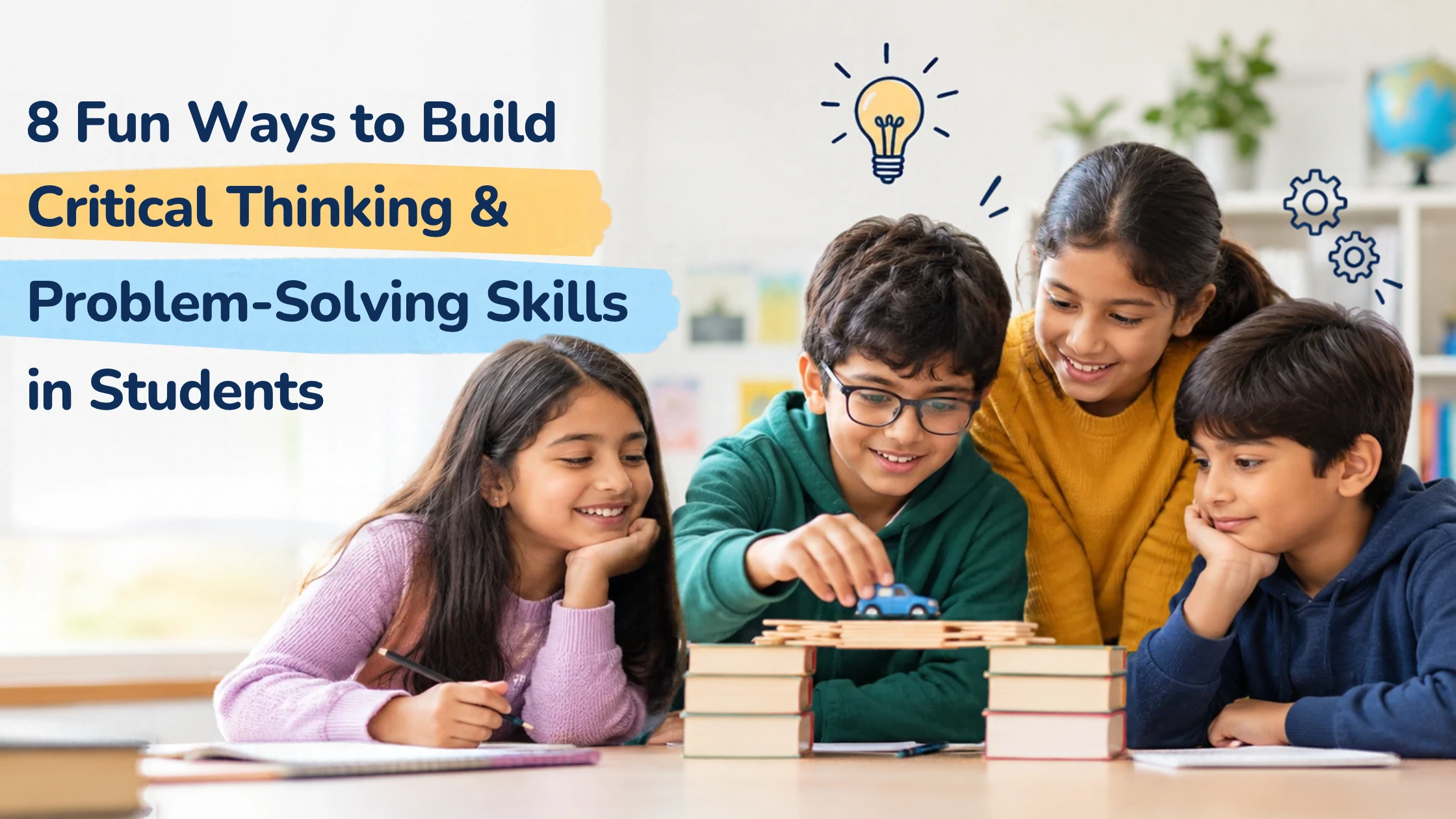
If you had to invent a new sport, how would it work?
What would make your sport different from cricket or football? Would it require players to think strategically, solve challenges, or work as a team? How would you design the rules to keep the game exciting and fair?
Ask a group of students, and you might hear some wonderfully unexpected ideas. Inventing a sport involves much more than imagination. Students must create rules, anticipate challenges, and find ways to make the game work.
That’s where critical thinking and problem-solving skills come in. Critical thinking helps students explore ideas and consider alternatives, while problem-solving helps them turn those ideas into practical solutions.
Why Do Students Need Critical Thinking and Problem-Solving Skills?
Students encounter challenges throughout their school years, from puzzling Maths questions and failed experiments to disagreements during group work and projects that require independent research.
Textbooks provide important knowledge, but students also need to learn how to apply it to unfamiliar situations. Developing critical thinking skills and problem-solving skills in students helps them approach these challenges with greater independence and confidence.
Here are five ways these skills help students grow:
- Apply what they learn: Students learn to connect classroom lessons to real-life situations and use their knowledge to solve problems beyond the textbook.
- Make thoughtful decisions: They learn to consider different options, think through possible outcomes, and make decisions instead of relying on guesswork.
- Solve problems independently: They become better at trying different approaches and working through challenges instead of always depending on teachers or classmates for answers.
- Learn from mistakes: They learn to understand what went wrong, try a different approach, and use the experience to do better next time.
- Build confidence: They become more comfortable tackling difficult questions, exploring new ideas, and facing situations where the answer isn’t immediately clear.
Students don’t need to solve complicated problems or spend hours studying to develop these skills. Simple, fun activities that encourage them to think creatively, explore different possibilities, and find their own solutions can go a long way, too.
Here are eight activities to get them started.
1. Let Them Invent Something New
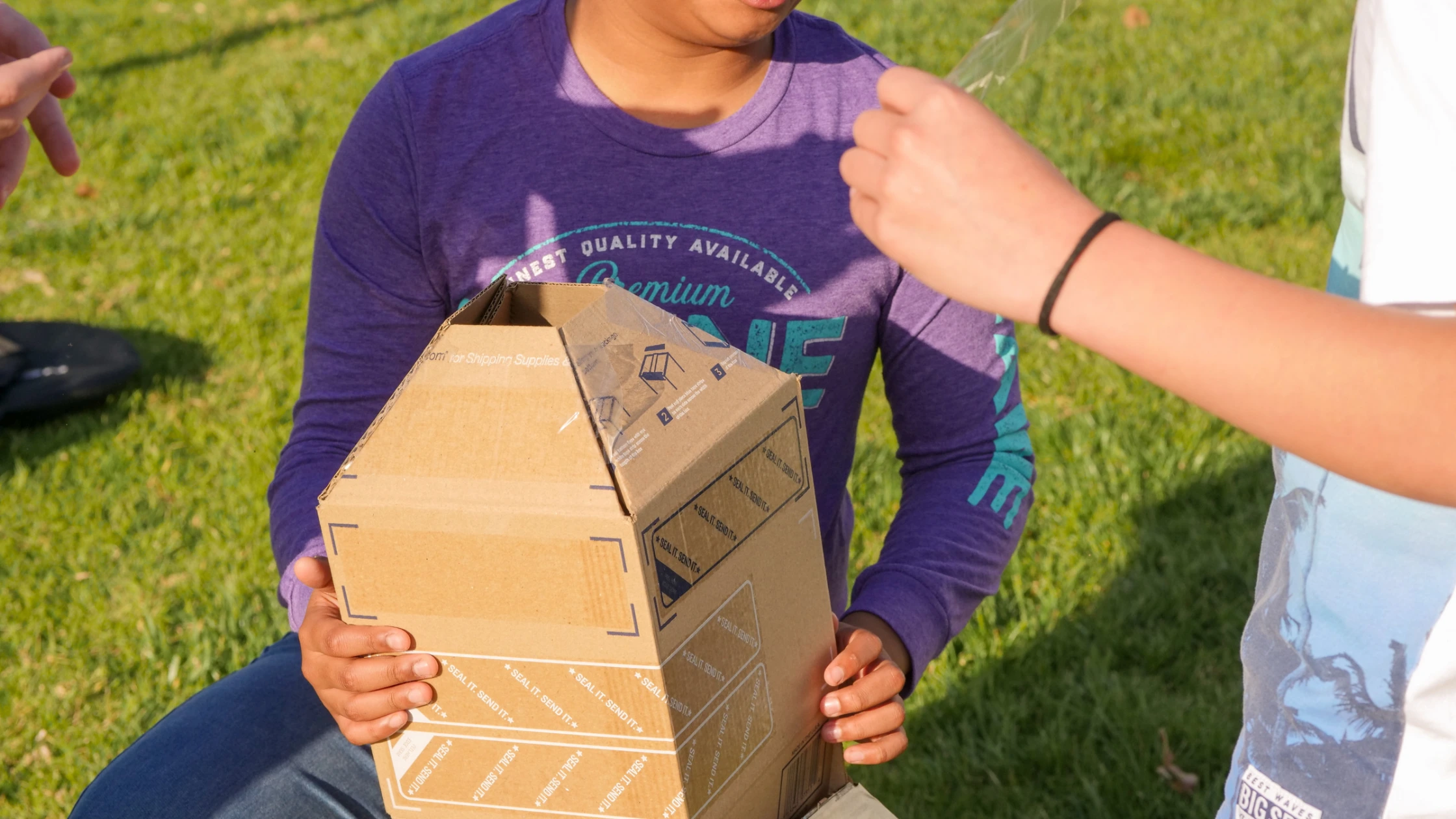
Ask students to design a school bag that solves a common problem, create a useful gadget, or invent a machine that makes a household chore easier.
Encourage them to explain how their invention would work, who would use it, and what challenges they might face while developing it. This helps them generate ideas, consider practical limitations, and improve their designs.
2. Make Chess More Than a Game
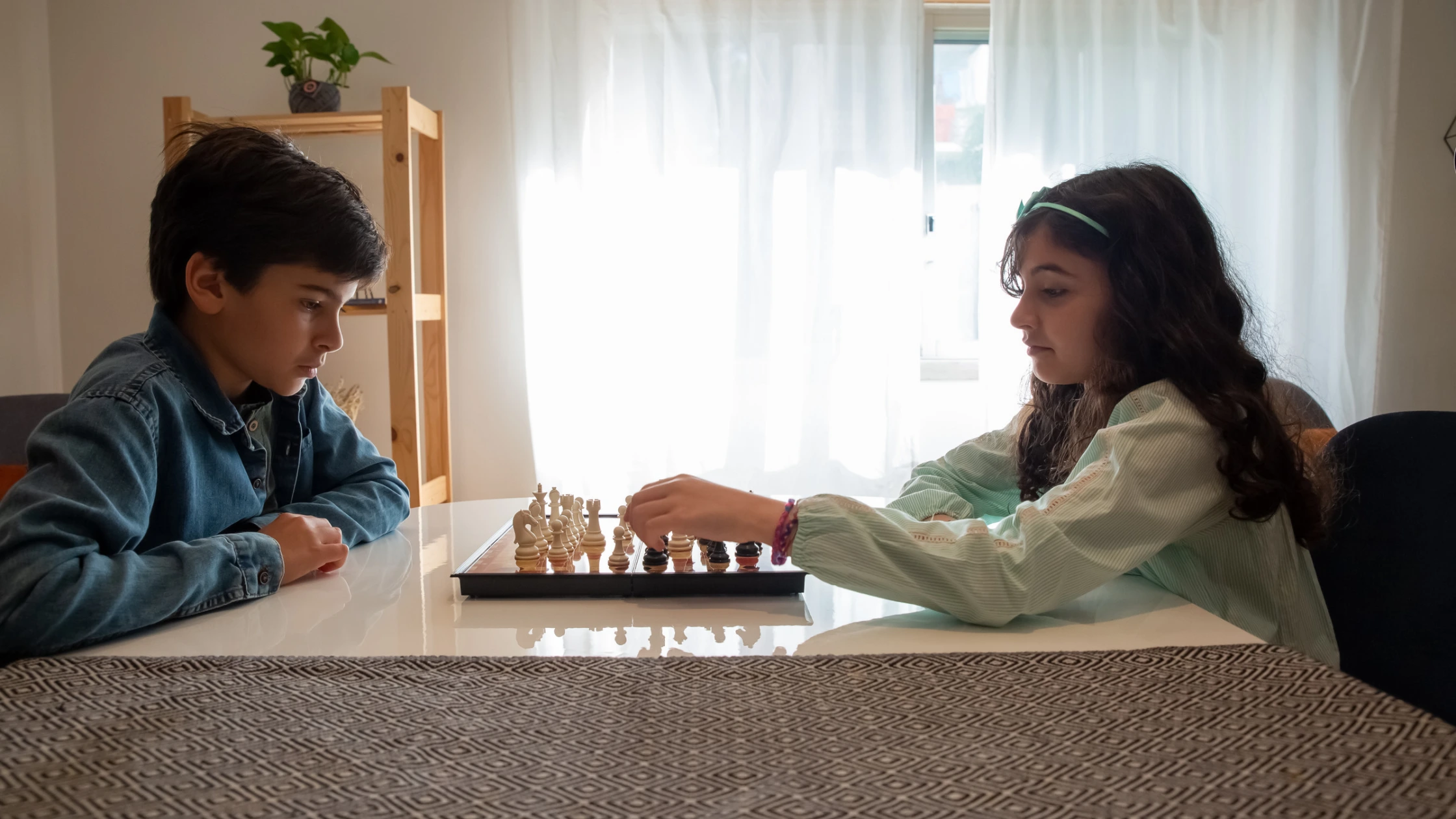
Chess encourages students to plan ahead, predict possible outcomes, and consider the consequences of their decisions. Every move may require them to rethink their strategy.
Parents and teachers can ask students why they chose a particular move and what alternatives they considered. The focus should be on their reasoning, not just whether they win.
3. Give Their Brains a Workout with Puzzles
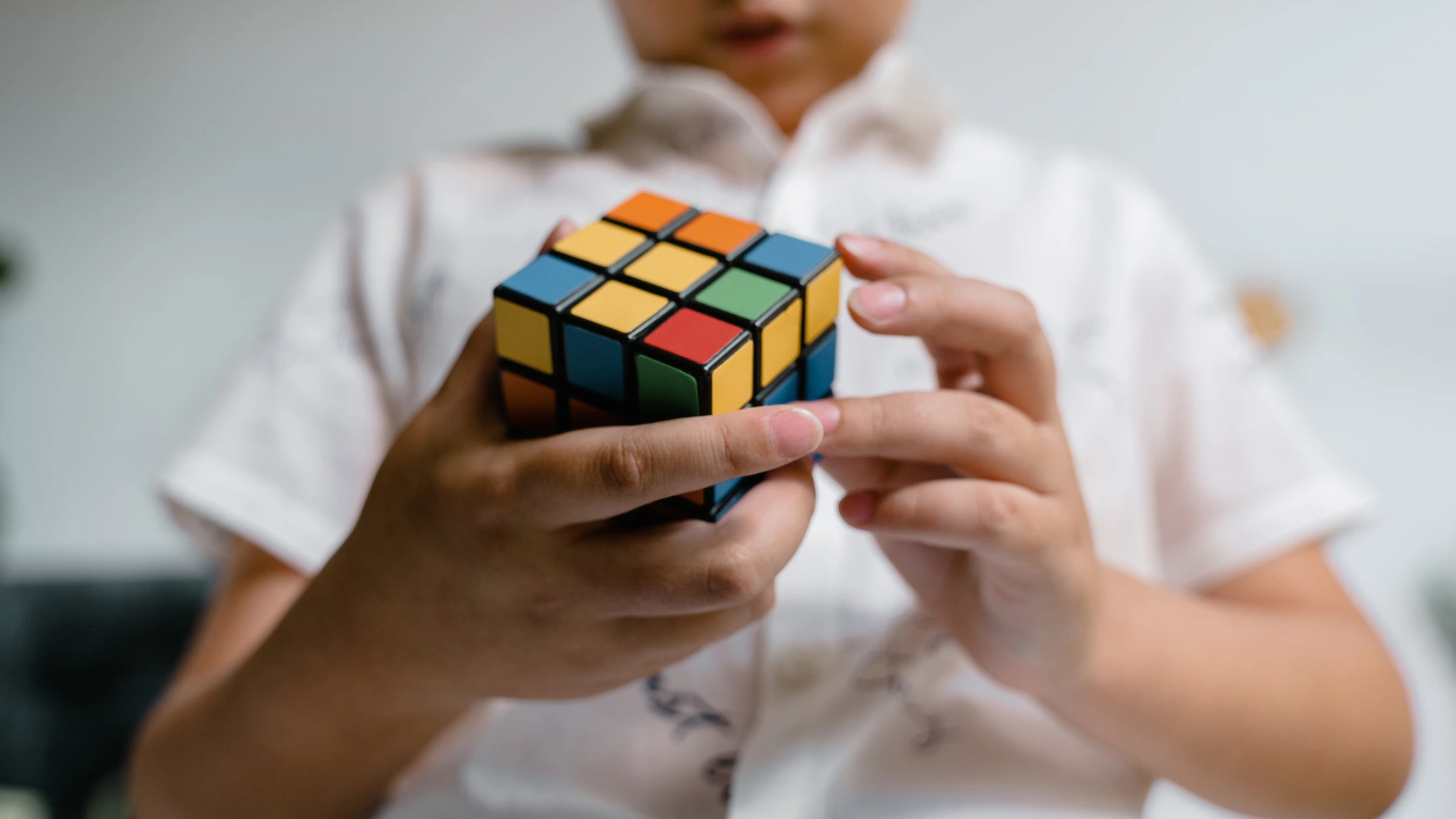
Sudoku, riddles, Rubik’s Cube, and brainteasers encourage students to recognise patterns, connect clues, and test possible answers. They also teach students that the first solution isn’t always the best one.
Start with age-appropriate challenges and gradually increase the difficulty. Give students time to work independently before offering hints. These are simple critical thinking activities for students that fit easily into classroom routines or family time.
4. Build, Test and Improve with LEGO Bricks
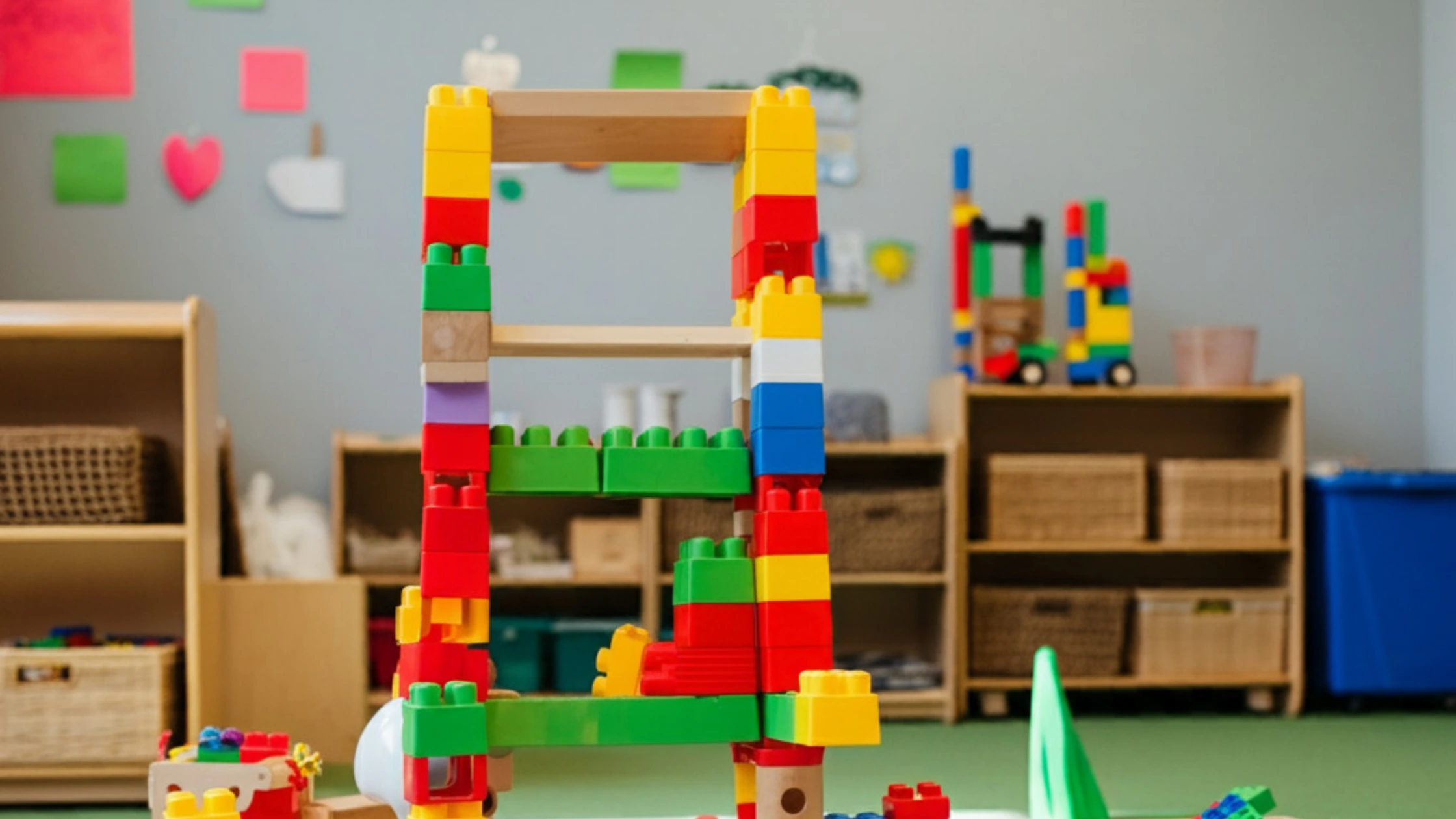
Give students building bricks and challenge them to construct a bridge between two stacks of books that is strong enough to hold a small toy.
If their first design collapses, encourage them to identify what went wrong, make changes, and test it again. This hands-on activity develops planning, logical reasoning, experimentation, and the ability to learn from mistakes.
5. Explore the Power of “What If?”
Questions that begin with “What if?” encourage students to imagine possibilities and think about cause and effect.
What if there were no traffic lights? What if humans could live underwater? What if plants stopped receiving sunlight?
Ask students to explain what might happen and support their ideas with reasons. Since there may be several possible answers, this activity encourages curiosity and independent thinking.
6. Pause a Story Before the Ending

Stories give students opportunities to think about characters’ choices, predict outcomes, and consider different points of view.
Pause a story at an interesting moment and ask students what the character might do next, why they might make that choice, and what could happen afterward. Once they share their predictions, continue reading so they can compare their ideas with the actual ending.
7. Turn Everyday Situations into Challenges
Everyday situations can provide meaningful problem-solving activities for students without requiring special equipment.
For example, ask students to plan a class picnic within a fixed budget. They must compare prices, decide what is essential, manage the available money, and explain their choices. This helps them apply mathematical knowledge, reasoning, and decision-making skills beyond the classroom.
8. Ask Them to Explain Their Thinking
When a student answers a question, don’t stop at checking whether the answer is correct. Ask them to explain how they arrived at it.
When solving a Maths problem, for example, students could demonstrate their method, compare it with another approach, and explain which one they find more effective. This helps them organise their thoughts, understand their reasoning, and recognise gaps in their understanding.
How Can Parents and Teachers Help Students Think Better?
Activities alone aren’t enough. Children also need adults who encourage curiosity, give them time to think, and help them learn from mistakes.
Here are five simple ways to develop critical thinking skills while strengthening problem-solving skills in students.
- Give them time to think. Resist the urge to provide an immediate answer. Allow students to explore possibilities first.
- Encourage questions. Welcome curiosity and invite students to explain their reasoning.
- Make mistakes part of learning. Help students identify what went wrong and consider what they could do differently.
- Focus on the process, not just the result. Appreciate thoughtful reasoning and effort, even when the final answer isn’t correct.
- Offer age-appropriate challenges. Choose tasks that stretch students’ abilities without making them feel overwhelmed.
Encourage students to try again when their first approach doesn’t work. Learning to reconsider decisions and adapt to new situations is an important part of problem-solving.
From Asking Questions to Finding Solutions

From inventing a sport to building a bridge or planning a picnic, everyday activities give students opportunities to practise critical thinking and problem-solving skills.
NELTAS English, Maths and Science exams bring these skills into the learning experience by encouraging children to reason, apply concepts and tackle unfamiliar questions. After all, the real value of learning lies not just in finding the right answers, but in developing the confidence to work them out.